 Human medicine programme area
Human medicine
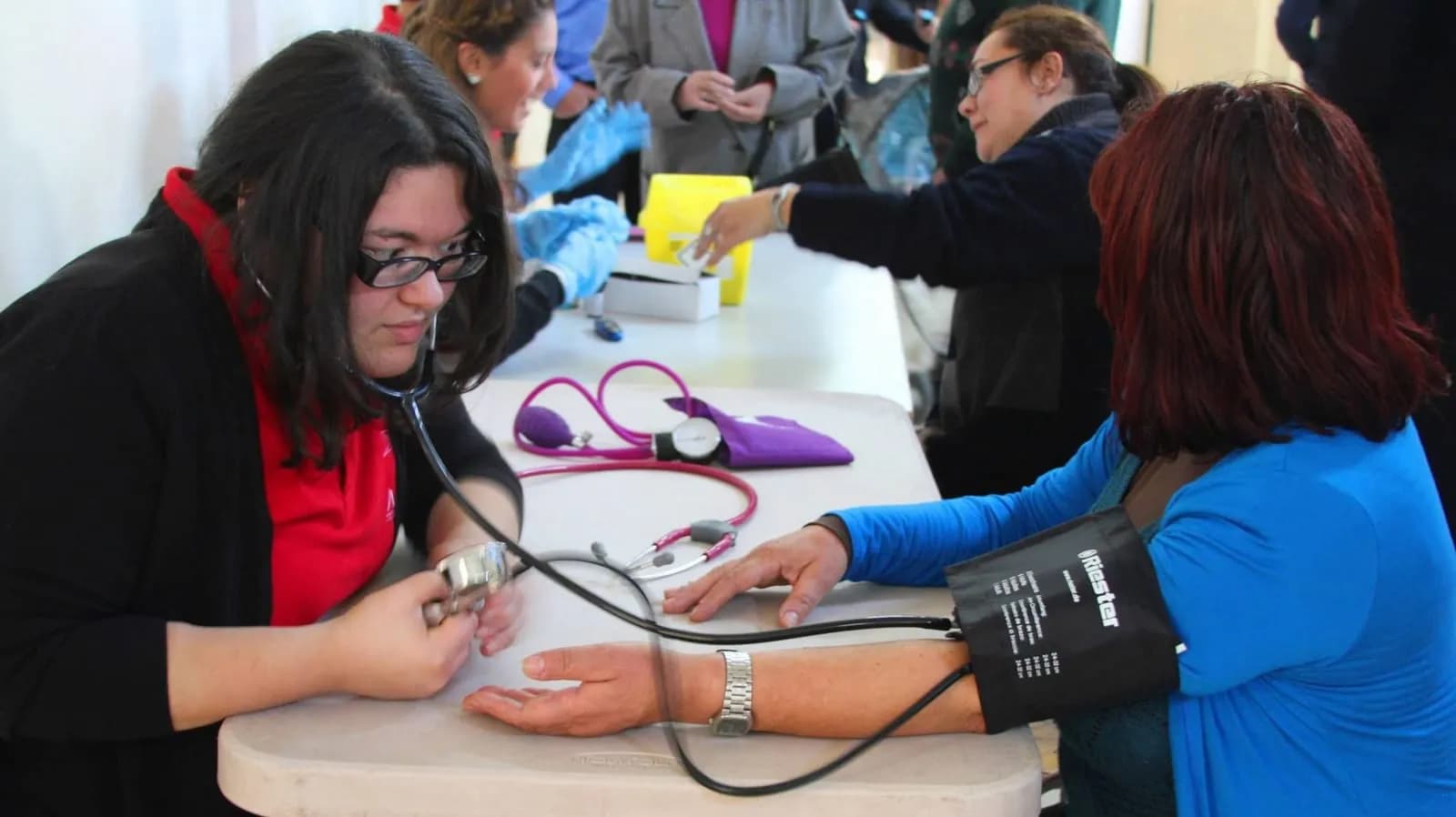
Human medicine trains competent, versatile and committed doctors through rigorous scientific teaching and progressive clinical training.
- Doctorate in medicine
- 8
- Common first year (PACES), then a competitive entrance exam for the second year.
- Pr RANDRIAMANANTENA Tahiriarivelo
- Pr RANDRIAMIZAO Harifetra Mamy Richard
Overview
The Human Medicine programme trains competent, versatile and committed doctors. It combines rigorous scientific teaching with progressive clinical training, to prepare practitioners able to meet the population’s health needs and adapt to medical and technological change.
The doctor’s roles
- Establish the diagnosis and treatment
- Coordinate with other doctors and health professionals
Required qualities
- Honesty, integrity, empathy, curiosity
- Interpersonal skills
- Good organisation and resilience under stress
At a glance
- Entry
- Common first year (PACES), then a competitive entrance exam for the second year.
- Degree
- Doctorate
- Duration
- 8 years
- System
- LMD
Pathway
1. PACES
Common first year of health studies.
2. Entrance exam, then L2
Entry into the second year; first practical placements, progression exam.
3-6. From L3 to the 6th year
Clinical teaching and hospital placements.
7-8. Internship and thesis
Internship placements, thesis defence, doctorate in medicine.
Curriculum
Organisation of studies by semester: teaching units (UE), constituent elements (EC), credits and teaching hours.
Semester 130 credits
Structure and function of biomolecules
- Organic chemistry
- Lipids
- Carbohydrates
- Amino acids and proteins
- Nucleic acids
- Enzymes and coenzymes
10 credits
Physiology
- Neurological physiology
- Fluid compartment
- Integrative physiology
- Respiratory physiology
9 credits
Visceral anatomy
- Respiratory system
- Cardiac system
- Peripheral vascular system
- Peripheral nervous system
3 credits
Introduction to medicines
- Legal framework
- Medicine life cycle
- General pharmacology
4 credits
Specific units
- Osteology
4 credits
Semester total30 credits
Semester 230 credits
Cell biology and tissues
- Cell biology
- Tissues
8 credits
Physiology
- Digestive
- Cardiac
- Renal
- Of the blood
7 credits
Mathematics, biophysics, statistics
- Mathematics
- Biophysics
- Statistics
4 credits
Visceral anatomy
- Urinary system
- Digestive system
- Male genital system
3 credits
Medical French
- Workplace communication
- Medical consultation
- Data transmission and correspondence
4 credits
Specific units
- Embryology
- Introduction to imaging
4 credits
Semester total30 credits
Semester 330 credits
Bioenergetics and metabolism
- Lipids
- Carbohydrates
- Amino acids and proteins
- Nucleotides
6 credits
Infectious agents and immunobiology
- Introduction to microbiology
- Principles of hygiene
- General bacteriology
- General parasitology
- General mycology
2 credits
Descriptive and functional anatomy
- ENT
- Nervous system
- Myology
- Arthrology
5 credits
Semiology of the digestive system
- Examination
- Diagnostic approach in gastroenterology
- Investigations
3 credits
Nursing care
- Hygiene care
- Sampling
- Patient positioning
- Vital signs
- Dressings
- Perioperative monitoring
- Infusions and injections
4 credits
Anatomy and imaging methods
- Radiology of the skull, petrous bone, orbit, sinuses, mandible, teeth
- CT and MRI sections of the brain
- Spine
- Thorax (techniques and radiographic anatomy)
- Bronchovascular systematisation
3 credits
Semiology of the urinary system
- Medical semiology
2 credits
Semiology of the respiratory system
- Medical semiology
- Surgical semiology
3 credits
Semester total30 credits
Semester 430 credits
Medical genetics
- Karyotype
- Numerical abnormalities
- Structural abnormalities
- Genomic imprinting
- X inactivation
- Genetic diseases
- Meiosis
- Teratology
2 credits
Organogenesis and organisation of systems
- Organogenesis
- Organisation of systems
7 credits
Infectious agents and immunobiology
- General virology
- Basic immunology
2 credits
Descriptive and functional anatomy
- Female genital system
- Male genital system
- Eye and adnexa
- Maxillofacial and dental
5 credits
Endocrine physiology and semiology
- Endocrine physiology
- Endocrine semiology
- Nutrition
6 credits
Semiology of the urinary system
- Surgical semiology
2 credits
Biophysics
- Biomathematics
- Physical basis of investigation methods
- Functional aspects
4 credits
Blood tissue: clinical aspects and investigation
- Red blood cells
- White blood cells
- Lymph nodes and spleen
- Platelets
- Haemorrhages and thromboses
- Transfusion safety
2 credits
Semester total30 credits
Semester 530 credits
Infectious agents and clinical immunology
- Systematic bacteriology
- Systematic parasitology
- Systematic mycology
5 credits
Cellular and tissue biopathology
- General concepts
- Cell pathology
- Cell ageing
- Intercellular substances
- Overload
- Immunopathology
- Inflammatory
- Cardiovascular
- Tumour
5 credits
Applied biochemistry
- Clinical biochemistry
- Biological semiology
- Enzymology
- Nitrogen compounds
- Tumour and cardiac markers
- Fluid-electrolyte balance and blood gases
- Thyroid and reproduction
- Nutritional status and inflammation
- Adrenal cortex
2 credits
Radiological semiology
- Musculoskeletal
- Thorax
- Digestive
- Urinary
- Female genital
2 credits
Cardiological semiology
- Cardiovascular
- Electrocardiographic
2 credits
Semiology of the nervous system
- Surgical neurology
- Medical neurology
4 credits
Introductory clinical placement
- Placement in a medicine department
5 credits
Paraclinical discovery placement
- Cytology
- Pathological anatomy
- Haematology
- Immunology
4 credits
Minor surgery and surgical semiology
- Musculoskeletal surgical semiology
- Minor surgery
3 credits
Semiology of the sense organs
- ENT semiology
1 credit
Semester total30 credits
Semester 630 credits
Infectious agents and clinical immunology
- Infectious disease semiology
- Systematic virology
- Clinical immunology
5 credits
Cardiological semiology
- Surgical semiology
1 credit
Semiology of the nervous system
- Medical psychology
- Psychiatric semiology
3 credits
Introductory clinical placement
- Placement in a surgery department
5 credits
Paraclinical discovery placement
- Biochemistry
- Mycology and parasitology
- Bacteriology
- Molecular biology
4 credits
Semiology of the locomotor system, rheumatology and dermatology
- Dermatological
- Rheumatological
4 credits
Minor surgery and surgical semiology
- Paediatric surgical
- Male genital system
- Minor surgery
6 credits
Semiology of the sense organs and stomatology
- Ophthalmological
- Stomatological
2 credits
Semester total30 credits
Placement sites
- University hospital centres
- Rural and urban community health centres
Skills laboratories
- Multipurpose clinical biology laboratory at CHU Tambohobe and CHU Andrainjato
- Pathological anatomy laboratory at CHU Andrainjato
Careers
- Work in health centres and hospitals
- Dispensaries, private hospitals and health NGOs
- Specialise in a discipline
Programme heads
Pr RANDRIAMANANTENA Tahiriarivelo
Pr RANDRIAMIZAO Harifetra Mamy Richard


Admission
Admission requirements
Baccalaureate in series C, D or S, obtained in 2025 or 2026.
Pre-registration for PACES (common first year of health studies) is online, at inscription.facmedfianar.mg, from 7 September to 20 November 2026 at 11:59 pm (Madagascar time). Entry into the second year is then by competitive exam.
Application documents
- Baccalaureate transcript
- Recent birth certificate
- ID photo
- Receipt for payment of the pre-registration fee
Admission
Fees
- National student
- 50,000 Ar
- International student
- 100,000 Ar