 Paramedical sciences programme area
Midwifery
A key player in maternal and child health: follow-up of pregnancy, childbirth and the newborn.
- Bachelor’s degree in health sciences
- 3
- Common first year (PACES), then a competitive entrance exam for the second year.
- Dr ANDRIANAMPY Hoby Anjarasoa
- Dr ANDRIANAMPY Hoby Anjarasoa
Overview
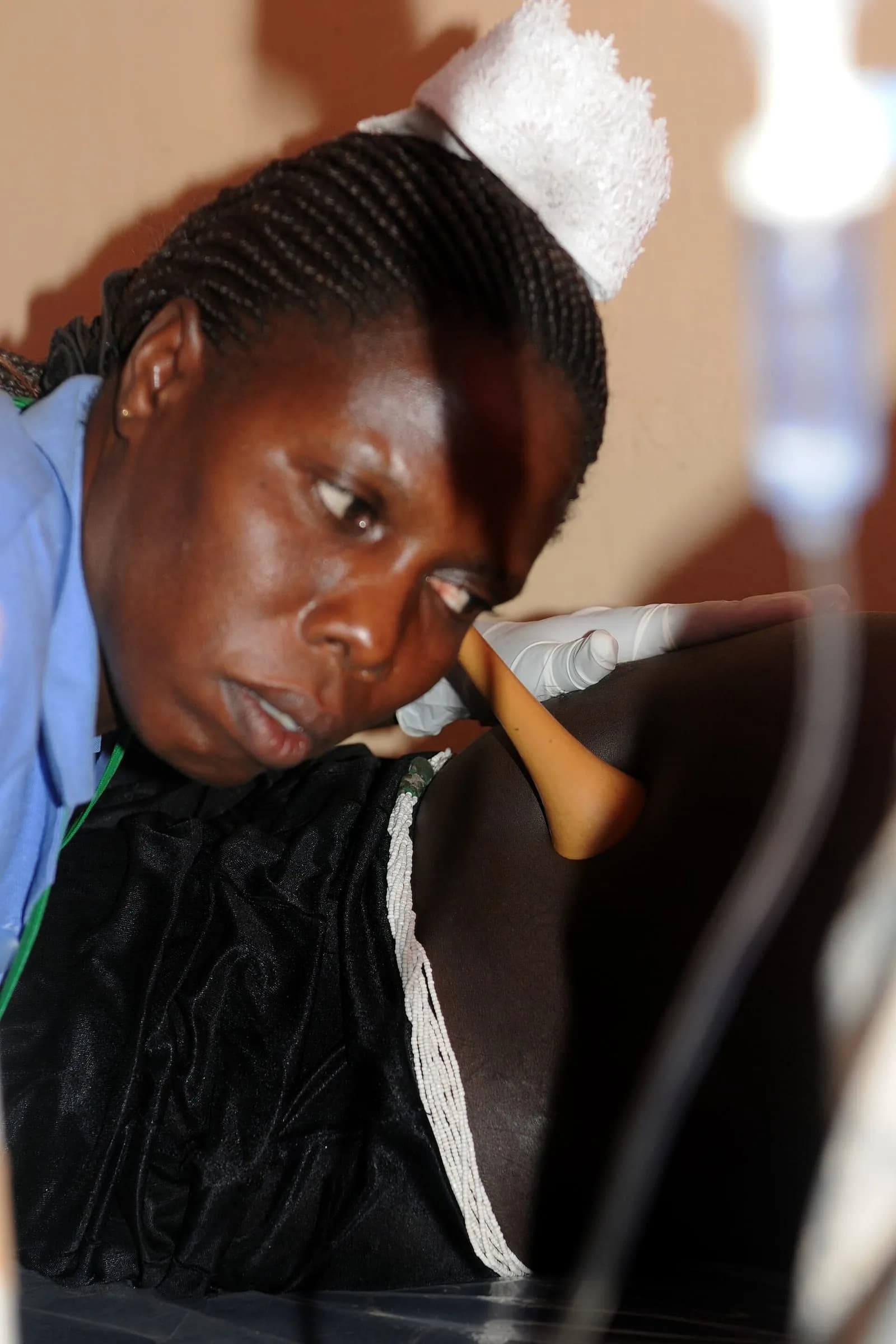
Become a key player in maternal and child health. The Midwifery pathway trains professionals able to support pregnancy, childbirth and newborn follow-up, with a caring, people-centred approach. Combining theory, practice and placements in hospital and community settings, the programme leads to a career in the public or private health sector and to specialisation at master’s level.
The graduate’s roles
- Follow pregnancy, childbirth and the postpartum period
- Care for the newborn and the child
Required qualities
- Good powers of observation
- Interpersonal skills and empathy
- Good organisation and resilience under stress
At a glance
- Entry
- Common first year (PACES), then a competitive entrance exam for the second year.
- Degree
- Bachelor’s degree
- Duration
- 3 years
- System
- LMD
Pathway
1. PACES
Common first year of health studies.
2. Entrance exam, then L2
Entry into the second year; first practical placements, progression exam.
3. L3
Final-year dissertation.
✓. Bachelor’s degree
Bachelor’s degree in health sciences.
Curriculum
Organisation of studies by semester: teaching units (UE), constituent elements (EC), credits and teaching hours.
Semester 130 credits
Structure and function of biomolecules
- Organic chemistry
- Lipids
- Carbohydrates
- Amino acids and proteins
- Nucleic acids
- Enzymes and coenzymes
10 credits
Physiology
- Neurological physiology
- Fluid compartment
- Integrative physiology
- Respiratory physiology
9 credits
Visceral anatomy
- Respiratory system
- Cardiac system
- Peripheral vascular system
- Peripheral nervous system
3 credits
Introduction to medicines
- Legal framework
- Medicine life cycle
- General pharmacology
4 credits
Specific units
- Osteology
4 credits
Semester total30 credits
Semester 230 credits
Cell biology and tissues
- Cell biology
- Tissues
8 credits
Physiology
- Digestive
- Cardiac
- Renal
- Of the blood
7 credits
Mathematics, biophysics, statistics
- Mathematics
- Biophysics
- Statistics
4 credits
Visceral anatomy
- Urinary system
- Digestive system
- Male genital system
3 credits
Medical French
- Workplace communication
- Medical consultation
- Data transmission and correspondence
4 credits
Specific units
- Embryology
- Introduction to imaging
4 credits
Semester total30 credits
Placement sites
- University hospital centres
- Rural and urban community health centres
Skills laboratories
- Multipurpose clinical biology laboratory at CHU Tambohobe and CHU Andrainjato
- Pathological anatomy laboratory at CHU Andrainjato
Careers
- Work in the public or private health sector
- Continue with a research or professional master’s
Programme heads
Dr ANDRIANAMPY Hoby Anjarasoa
Dr ANDRIANAMPY Hoby Anjarasoa

Admission
Admission requirements
Baccalaureate in series C, D or S, obtained in 2025 or 2026.
Pre-registration for PACES (common first year of health studies) is online, at inscription.facmedfianar.mg, from 7 September to 20 November 2026 at 11:59 pm (Madagascar time). Entry into the second year is then by competitive exam.
Application documents
- Baccalaureate transcript
- Recent birth certificate
- ID photo
- Receipt for payment of the pre-registration fee
Admission
Fees
- National student
- 50,000 Ar
- International student
- 100,000 Ar