 Paramedical sciences programme area
Nurse anaesthetist and critical care
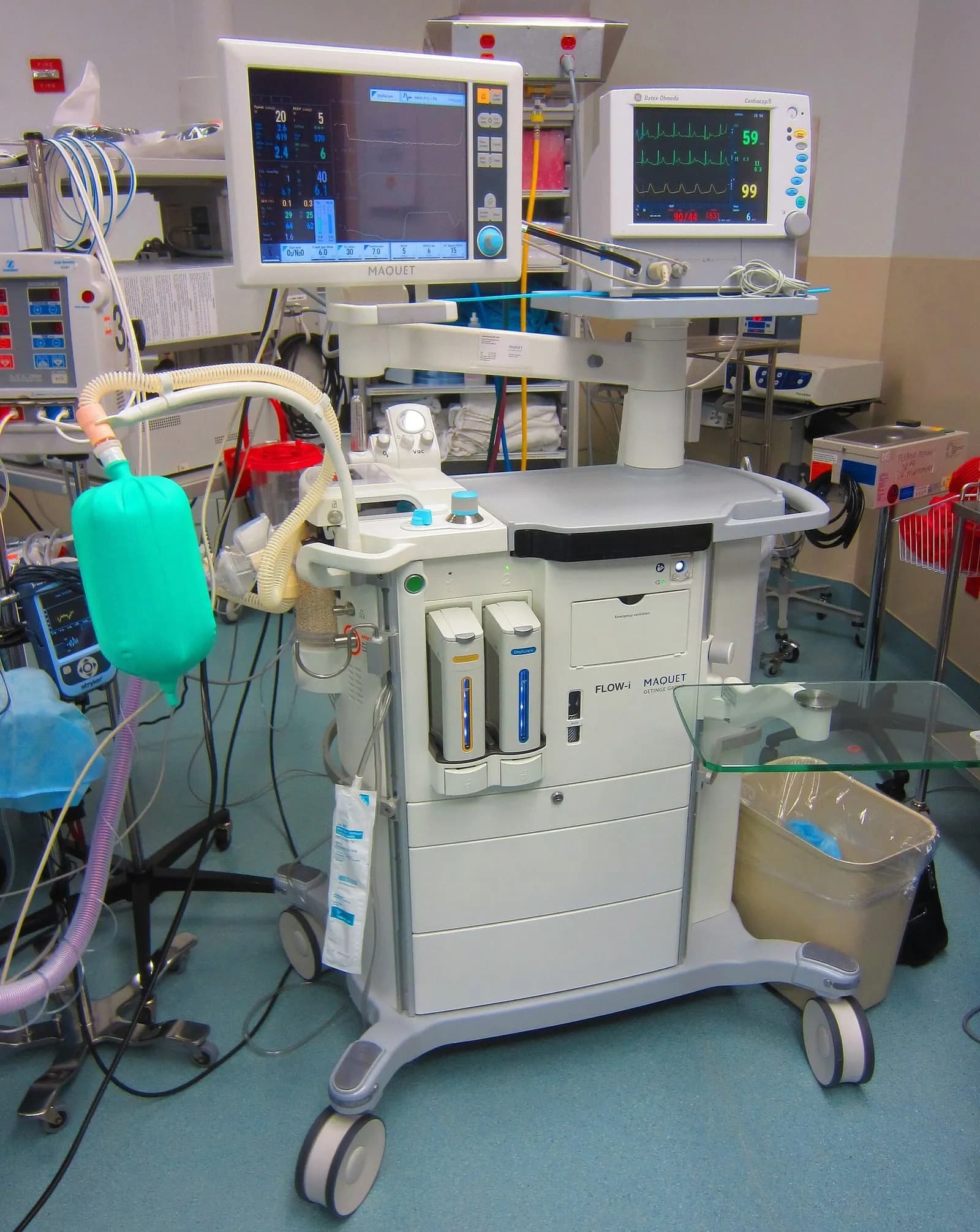
Care for the patient before, during and after surgery: anaesthesia, critical care, emergencies.
- Bachelor’s degree in health sciences
- 3
- Common first year (PACES), then a competitive entrance exam for the second year.
- Dr ANDRIANAMPY Hoby Anjarasoa
- Pr RAZAFINDRABEKOTO Lova Dany Ella
Overview
The Nurse Anaesthetist and Critical Care pathway trains health professionals able to care for patients before, during and after surgery. Combining theory and practice, the programme prepares students to master anaesthesia, critical care and pain management techniques, while developing a keen sense of responsibility and vigilance. Nurse anaesthetists thus become essential players in the health system: autonomous, competent and committed to patient safety and well-being.
The graduate’s roles
- Perform care and procedures in anaesthesia, critical care, emergency medicine and pain management
- Monitor patients before, during and after the operation
- Handle transfer and handover to the team
Required qualities
- Honesty, integrity, empathy, vigilance, curiosity
- Interpersonal skills and empathy
- Good organisation and resilience under stress
At a glance
- Entry
- Common first year (PACES), then a competitive entrance exam for the second year.
- Degree
- Bachelor’s degree
- Duration
- 3 years
- System
- LMD
Pathway
1. PACES
Common first year of health studies.
2. Entrance exam, then L2
Entry into the second year; first practical placements, progression exam.
3. L3
Final-year dissertation.
✓. Bachelor’s degree
Bachelor’s degree in health sciences.
Curriculum
Organisation of studies by semester: teaching units (UE), constituent elements (EC), credits and teaching hours.
Semester 130 credits
Structure and function of biomolecules
- Organic chemistry
- Lipids
- Carbohydrates
- Amino acids and proteins
- Nucleic acids
- Enzymes and coenzymes
10 credits
Physiology
- Neurological physiology
- Fluid compartment
- Integrative physiology
- Respiratory physiology
9 credits
Visceral anatomy
- Respiratory system
- Cardiac system
- Peripheral vascular system
- Peripheral nervous system
3 credits
Introduction to medicines
- Legal framework
- Medicine life cycle
- General pharmacology
4 credits
Specific units
- Osteology
4 credits
Semester total30 credits
Semester 230 credits
Cell biology and tissues
- Cell biology
- Tissues
8 credits
Physiology
- Digestive
- Cardiac
- Renal
- Of the blood
7 credits
Mathematics, biophysics, statistics
- Mathematics
- Biophysics
- Statistics
4 credits
Visceral anatomy
- Urinary system
- Digestive system
- Male genital system
3 credits
Medical French
- Workplace communication
- Medical consultation
- Data transmission and correspondence
4 credits
Specific units
- Embryology
- Introduction to imaging
4 credits
Semester total30 credits
Placement sites
- University hospital centres
- Community health centres (introductory placements)
Skills laboratories
- Skills laboratory at IFIRP Fianarantsoa
- Blood transfusion centre at CHU Tambohobe
Careers
- Work in public or private health facilities with an operating theatre, intensive care unit or emergency department
- Continue with a research or professional master’s
Programme heads
Dr ANDRIANAMPY Hoby Anjarasoa
Pr RAZAFINDRABEKOTO Lova Dany Ella


Admission
Admission requirements
Baccalaureate in series C, D or S, obtained in 2025 or 2026.
Pre-registration for PACES (common first year of health studies) is online, at inscription.facmedfianar.mg, from 7 September to 20 November 2026 at 11:59 pm (Madagascar time). Entry into the second year is then by competitive exam.
Application documents
- Baccalaureate transcript
- Recent birth certificate
- ID photo
- Receipt for payment of the pre-registration fee
Admission
Fees
- National student
- 50,000 Ar
- International student
- 100,000 Ar